


Recruitment

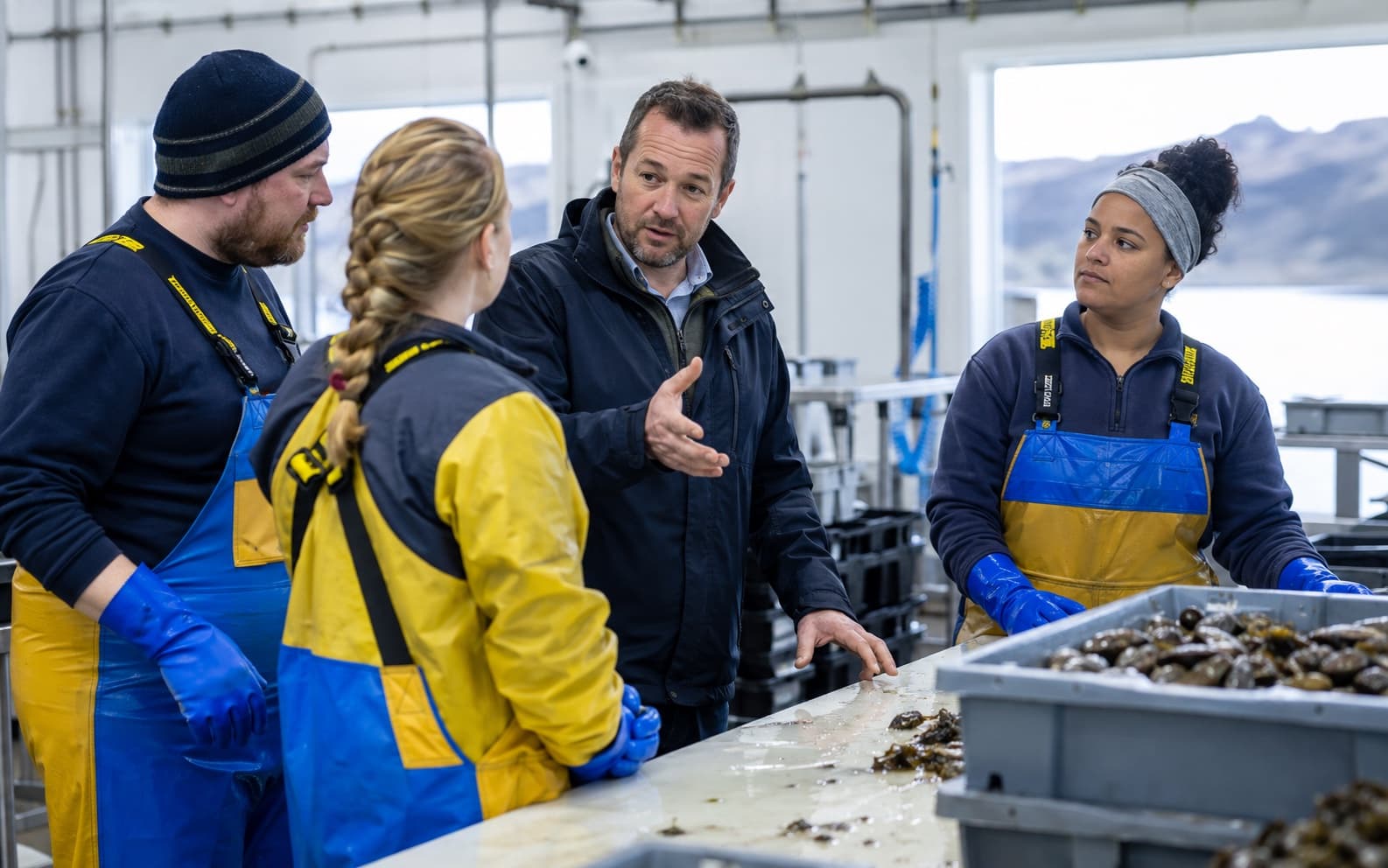
Fishing and aquaculture recruitment with practical workforce support.

International recruitment support for seafood, aquaculture and processing employers where role suitability, compliance and worker preparation matter from the start.

Fishing and Aquaculture

Step 1

Employer requirement

Step 2

Candidate sourcing

Step 3

Screening and document review

Step 4

Permit and visa support

Step 5

Arrival and onboarding

Step 6

Integration and retention

How this recruitment flow works

We start with the job, not just the vacancy. The route changes depending on the duties, salary, employer readiness, candidate background and immigration pathway.

Likely permit route

Permit eligibility can depend on the precise job title, duties, salary, contract and current government occupation rules, so every role is checked before sourcing begins.

1

Map the role, worksite, seasonal pattern, accommodation needs and contract terms.

2

Source candidates with relevant practical experience and realistic expectations.

3

Review permit eligibility, salary, employer documents and candidate documents.

4

Coordinate visa readiness and arrival planning for remote or coastal locations.

5

Support communication around working conditions, travel and retention.

What i2i handles for employers

Role and eligibility review

International candidate screening

Permit document coordination

Location and arrival planning

For General Employment Permit and Critical Skills Employment Permit roles, we help employers understand the route, documents, candidate evidence, visa steps and practical onboarding tasks before the case moves forward.

Visa and permit assistance
Community integration and retention

Recruitment does not end at arrival.

International hiring works best when candidates understand the job, location, documents, first weeks and community support around them. We support the practical handover that helps employers retain people after placement.

Practical guidance

Fishing and Aquaculture recruitment for Irish employers needs sector-specific screening.

i2i supports fishing and aquaculture recruitment by checking role requirements, candidate suitability, employment permit pathway, visa readiness and onboarding needs before an international hire is moved forward.

What employers should define first

The vacancy should be clear before sourcing starts. The route depends on role duties, salary, location, contract, start date and whether the occupation is suitable for an employment permit.

  • Role duties
  • Salary and hours
  • Location and start date
  • Permit route and employer documents

What candidates are screened for

Candidates should be reviewed against the sector, not just a generic CV. Experience, documents, English communication, licence or registration evidence and realistic relocation readiness all matter.

  • Aquaculture operatives
  • Seafood processing staff
  • Skilled production roles
  • Supervisory roles where eligible

How i2i supports retention

International recruitment works better when the candidate understands the job, location, immigration route, documents, arrival plan and first weeks in Ireland.

  • Permit and visa support
  • Document readiness
  • Arrival planning
  • Community integration

Questions people ask before starting

Can i2i help employers recruit fishing and aquaculture workers in Ireland?

Yes. i2i supports Irish employers with fishing and aquaculture recruitment, including role review, candidate screening, document readiness, employment permit pathway checks and onboarding support.

Can candidates register interest in fishing and aquaculture roles?

Yes. Candidates can use the Find Work intake to send their contact details, role interest and work background. i2i reviews the intake and keeps matching candidates connected to current opportunities through the Candidate Dashboard.

Does recruitment include employment permit and visa support?

i2i supports the practical connection between recruitment, employment permit preparation, visa readiness, arrival planning and retention, depending on the employer and candidate circumstances.